Deborah Beck Busis, LCSW, Director, Cognitive Behavioral Wellness Coaching Program
If you’ve ever bought something impulsively and regretted it later, you’re not alone. Impulse buying is common, but when it becomes a pattern, it can interfere with your financial goals and well-being. Cognitive Behavior Therapy (CBT) offers practical tools to help you slow down the process, understand why it’s happening, and build deliberate habits around spending. Rather than trying to “stop spending,” CBT helps you understand the connection between your thoughts, feelings, and behaviors so that you can interrupt the processes that lead to impulse buying and emotional spending.
The CBT Model of Impulse Buying
Impulse buying isn’t a failure of willpower—it usually involves a sequence of events. First, you may experience a trigger. The trigger could be emotional, like stress, boredom, loneliness, or excitement, or it could be situational, like seeing an ad, or thinking about what to wear for an upcoming event. The trigger is typically followed by a thought or thoughts that help justify the purchase in your head. Then, certain habits and cues make completing the purchase quick and easy.
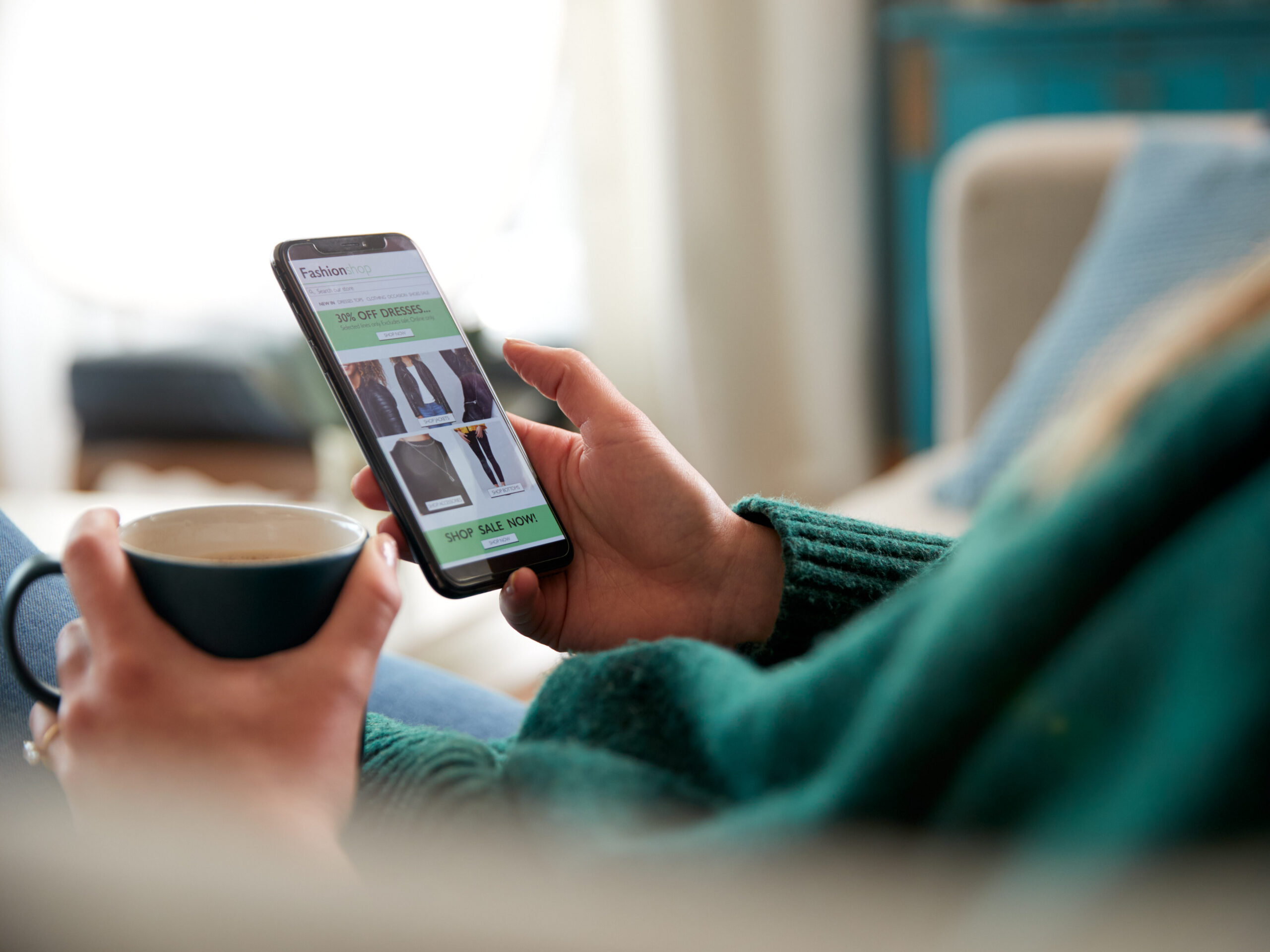
The next time you have the urge to impulse buy, start paying attention to your triggers. When are you most likely to impulse buy, i.e. when you’re bored, stressed, or anxious? When you’re scrolling social media? Then pay attention to the thoughts you have once triggered and come up with responses to them in advance.
Common Impulse Buying Thoughts
If you struggle with impulse buying you might recognize some of the common thoughts below:
Thought: “I deserve this.”
Helpful response: “I do deserve things that bring me pleasure, but I don’t deserve to go about it in a way that sabotages other goals I have (like sticking to a reasonable budget).
Thought: “This will make me feel better.”
Helpful Response: “While it’s true it might make me feel better for a few minutes, that feeling never lasts long, and ultimately I wind up feeling even worse because I’m also dealing with feelings of regret and self-recrimination.”
Thought: “It’s just this one time.”
Helpful response: “While in the moment it can feel like a one-time thing, evidence shows me that it’s actually part of a strong habit of impulse buying. Every time I impulse buy I strengthen the habit even more and make it more likely that I’ll do it the next time I get the urge. It’s never ‘just one time’ because every time has consequences for the next time, and the time after that.”
Thought: “I might miss out if I don’t get it now.”
Helpful response: “While it’s true I might miss out, I might not and likely there will be other opportunities to buy this. If I still want it in 24 hours, I can decide then. If I don’t buy it, I’m choosing to save my money for more important things. I’m not missing out. I’m making an intentional choice in a different direction.”
Use “If–Then” Plans to Interrupt Spending Habits
In addition to identifying your emotional triggers and thoughts and coming up with responses in advance, developing alternate coping strategies using the “if-then” technique can be very helpful.
For example:
- “If I’m tempted to browse online when I’m bored, then I’ll first go for a 10-minute walk, then I’ll call my friend Mona.”
- “If I feel like buying something to help me deal with stress or anxiety, then I will try a different soothing activity, like doing a mindfulness meditation, journaling, playing with my dog, or drinking a cup of hot tea.”
- “If I open an app or website where I often make impulse purchases, then I will make the rule that I can add items to my cart but then I’ll close the app and wait 24 hours before purchasing.”
How to Ride Out the Urge to Spend
It’s also helpful to know that urges peak and recede, just like waves in the ocean. CBT teaches you to “urge surf,” meaning you can ride out the urge instead of acting on it immediately. The next time you have the urge to online shop, try this:
- Notice the urge and label it, i.e., “I’m having the urge to impulse buy something right now.”
- Rate the degree of intensity of the urge from 1 to 10
- Pay attention to what happens over the next 10 to 15 minutes; chances are it will peak and recede, even if you don’t buy anything.
Proving to yourself that you can handle feeling the urge and that even if you do nothing, it ultimately will start to fade is powerful.
Align Your Spending with Your Values
Lastly, clarify your values and then tie your actions to what’s most important to you. Chances are the reason you’re not impulse buying something is not because you’re actively trying to deprive yourself, but because you have other, larger goals and values that are more important to you, like financial security or saving for something specific. The goal isn’t to deprive yourself—it’s to spend in a way that aligns with your values. Impulse buying doesn’t have to feel out of control. CBT strategies can help you build more intentional spending habits and meet your financial goals.
Do you need help achieving your personal health goals, managing stress, improving sleep, or beginning and sticking to an exercise program? Our Wellness Coaching program can help you with this and much more! We offer one-on-one coaching, live and recorded workshops and webinars, group coaching, and online resources to help support your wellness journey. Learn more and get started today!